

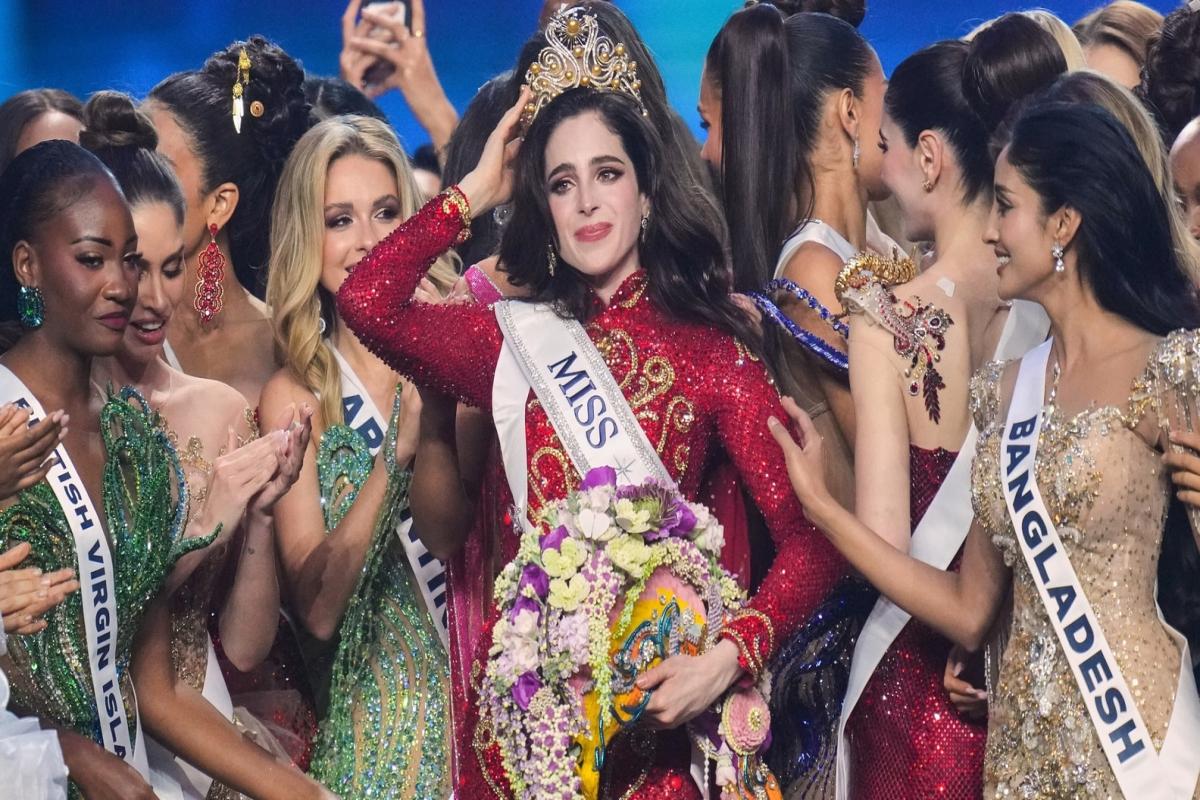
MISS UNIVERSE CRISIS: 6 Southeast Asian Countries Barred
Instead of gowns and glitz, The 75th Miss Universe pageant is making headlines for corporate sabotage. Two co-owners—one in Mexico, one in Thailand—got locked in a bitter power struggle over who actually controls the brand. The result? Six Southeast Asian powerhouses—Thailand, Indonesia, Vietnam, Laos, Malaysia, and Singapore—just got caught in the crossfire and stripped of their right to compete.
These countries are facing disqualification from taking the global stage following an escalating power struggle between the pageant's dual parent organizations. The sudden exclusion has left millions of passionate pageant enthusiasts across Asia stunned and has thrown the dreams of national delegates into complete limbo.
A Divided Empire
At the heart of the crisis is a corporate tug-of-war following the split ownership of the Miss Universe Organization. In 2022, Thai media empire JKN Global Group acquired the brand, but in early 2024 sold a 50% stake to Mexican businessman Raúl Rocha Cantú's Legacy Holding Group.
The pageant’s governance split into two factions: MU West (overseeing Western territories) and MU East (covering 95 Eastern territories), led by Thai media executive Nawat Itsaragrisil.
The conflict boiled over in mid-September when statements issued under the Miss Universe banner formally declared contestants from the six Southeast Asian nations ineligible. The notice cited unauthorized licensing agreements and disputed corporate authority.
Compounding the crisis are financial allegations raised by MU East regarding host-city payments made to Puerto Rico. The Puerto Rico Senate Tourism Committee has since requested banking records to inspect contract execution, while JKN Universe LLC has strongly denied all claims and threatened legal action for defamation.

Candidates Caught in the Crossfire
For the affected delegates—including Miss Universe Thailand Tharina Botes—months of intense physical, mental, and cultural preparation have been eclipsed by corporate politics.
"I am not going, but the contestants are definitely going," declared MU East CEO Nawat Itsaragrisil at a Bangkok press conference, urging delegates to travel to Puerto Rico despite their contested status.
Despite executive promises, candidates face an agonizing choice. They are unsure if they will be checked into official candidate hotels or granted accreditation upon arrival.
Contestants have devoted years to advocacy work, runway training, and wardrobe preparations, only to find their participation dependent on courtroom rulings rather than merit.
MU East leadership warned that if Puerto Rico denies stage access to the six nations, dozens of other participating Eastern countries under its banner could be instructed to withdraw in solidarity.
Fan Outrage and Industry Backlash
In Southeast Asia, pageantry is far more than entertainment—it is a cultural phenomenon that commands massive television audiences, lucrative brand sponsorships, and fierce national pride.
Supporters across Manila, Bangkok, Jakarta, and Kuala Lumpur have taken to social media to voice outrage over corporate infighting overshadowing the candidates' hard work. Many fans fear that excluding major powerhouses like Thailand and Vietnam will diminish the competition's international prestige and lower viewership.
What Happens Next?
If both factions fail to strike an emergency deal or settle in court before preliminary rounds start, Miss Universe will take the stage without some of its most popular and heavily sponsored nations—costing the organization massive viewership and credibility.
RELATED STORIES
Want to check out the new trends, Lakme Fashion We...

STRANGERS PARTY BOOM
Celebs are Ditching Clothes to Sell Sunscreen

Fade Out for the Blouse? Reinventing the Saree’s C...

Khushi Kapoor endorsing CAVA

Bring Sexy Back: Zendaya's ‘Spiderweb’ Back Chain...

YOUSTA BRINGS FIFA COLLECTION

The Day a "Plastic" Audemars Piguet Broke the Inte...

Kalyani Priyadarshian Rules the Red Carpet

Indian Men Take Center Stage: Shoulders Heritage a...

₹44,800 "Bandhani" Skirt: High-Fashion or Heritage...

The Checkmate of Summer Fashion

The ₹999 Revolution: How Tata, Reliance, and Birla...

Why Kris Jenner is China’s Newest Good Luck Charm

The Boys are Back in Town

American Actress and Model Dakota Johnson debuts i...

Empire waists, lace, and floral motifs; The Regenc...

The 2026 Groom Mood Board: Set on Fire by Vijay

2026 BRIT Awards delvered a fashion and music mome...

Raw Mango Reimagines South Asian Plurality with “I...

When washing machines become Handloom friendly

The Beat Goes Chic: India’s Concert Boom is Rewrit...

Emily is adorable in her Roma Adventure in Season...

Cloud Dancer is the colour of 2026

Kintsugi inspired sneaker collection by Reebok X...

From Grand father's drawer to global fashion

Paris' Galeries Lafayette to open in Mumbai in Nov...

Is this the end of heels and shoes on the fashion...

Unapologetic Glamour

Satya Paul Announces Creative Collaboration with A...

Enamor X Papa Don’t Preach by Shubhika unveils Lux...

Aseem Kapoor and Amit Hansraj show at Lakme Fashio...

Meryl Streep and Anna Wintour cross paths at Milan...

Aditya Birla eyes Gen Z; Launches OWND!

Aditya Birla Fashion eyes Gen Z, launches OWND

Alia Bhatt replaced Deepika as Levis Ambassador

Dhanush and Mrunal Thakur spark dating rumours

WHEN RAHUL BECOMING LOVE

DEMON HUNTERS FOR OSCAR

JURASSIC, THE UNBEATABLE WORLD

‘KPop Demon Hunters’ Song Will Be Entered for 2026...

‘KPop Demon Hunters’ Song Will Be Entered for 2026...

Rahul Mishra presented becoming love on July 7th a...
