
Ethanol to Hybrid: Confusion Galore
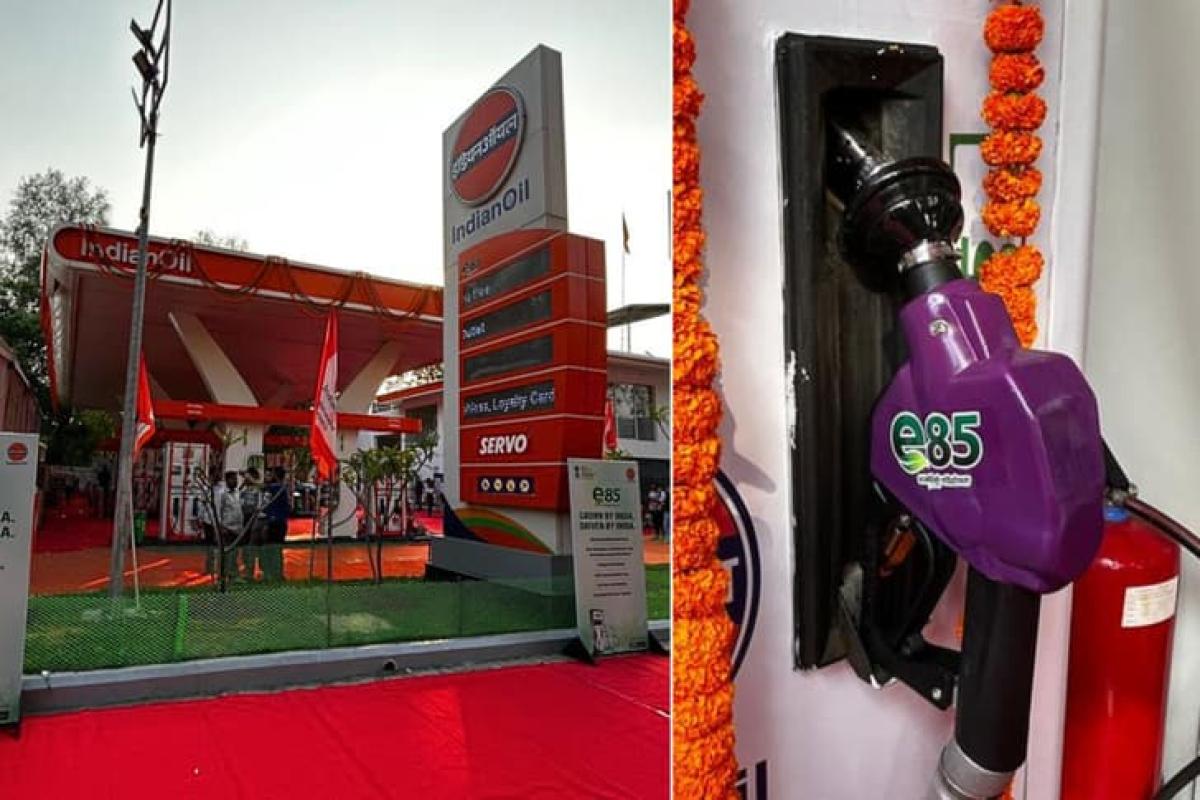
With the government announcing plans to further increase the percentage of ethanol (distilled from sugarcane or grains) blended into petrol, those planning to buy new vehicles—especially cars and two-wheelers—are in a state of total confusion. With Maruti Suzuki introducing a WagonR capable of running on 85% ethanol and 15% petrol (E85), and pumps selling such fuel launching in Delhi, the automotive market is watching closely to see what happens next.
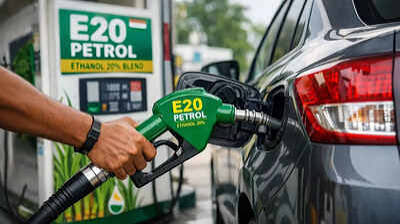
When "flex-fuel" vehicles capable of using 85% or even 100% ethanol hit the market, there will be no concern about using that fuel. The issue, however, is the necessity of using ethanol-blended petrol in current, standard petrol vehicles. Even vehicles that were released before the era of ethanol are now required to use petrol blended with 20% ethanol. While manufacturers claim that new cars are capable of using E20 (20% ethanol) petrol, efforts are already underway to introduce E30 petrol soon. Concerns such as reduced mileage and the water content in ethanol causing corrosion in pipes and joints are already prevalent.
There should be four distinct fuel categories alongside electricity: Petrol, CNG, Ethanol, and Diesel.
Pros and Cons
Although petrol is expensive, using a petrol vehicle is the least troublesome with lower engine maintenance costs. CNG vehicles are notable for their high mileage, but there are many places where CNG is hard to find. The high mileage of diesel is attractive, but maintenance costs are slightly higher due to the need for filters and urea fluid to comply with current pollution control norms. Furthermore, the purchase price of diesel vehicles is higher compared to petrol models. Ethanol does not offer the same mileage as petrol, even if the price is slightly lower.
Buyers are overwhelmed by these varied anxieties. There is also widespread misinformation circulating, with rumors suggesting that diesel vehicles will not be permitted beyond the next 15 years. It is a significant source of confusion when certain fuels are opposed and the government mandates ethanol blending in petrol. This undermines the basic fairness of allowing customers the opportunity to choose fuel options based on their usage patterns.
Hybrids and EVs
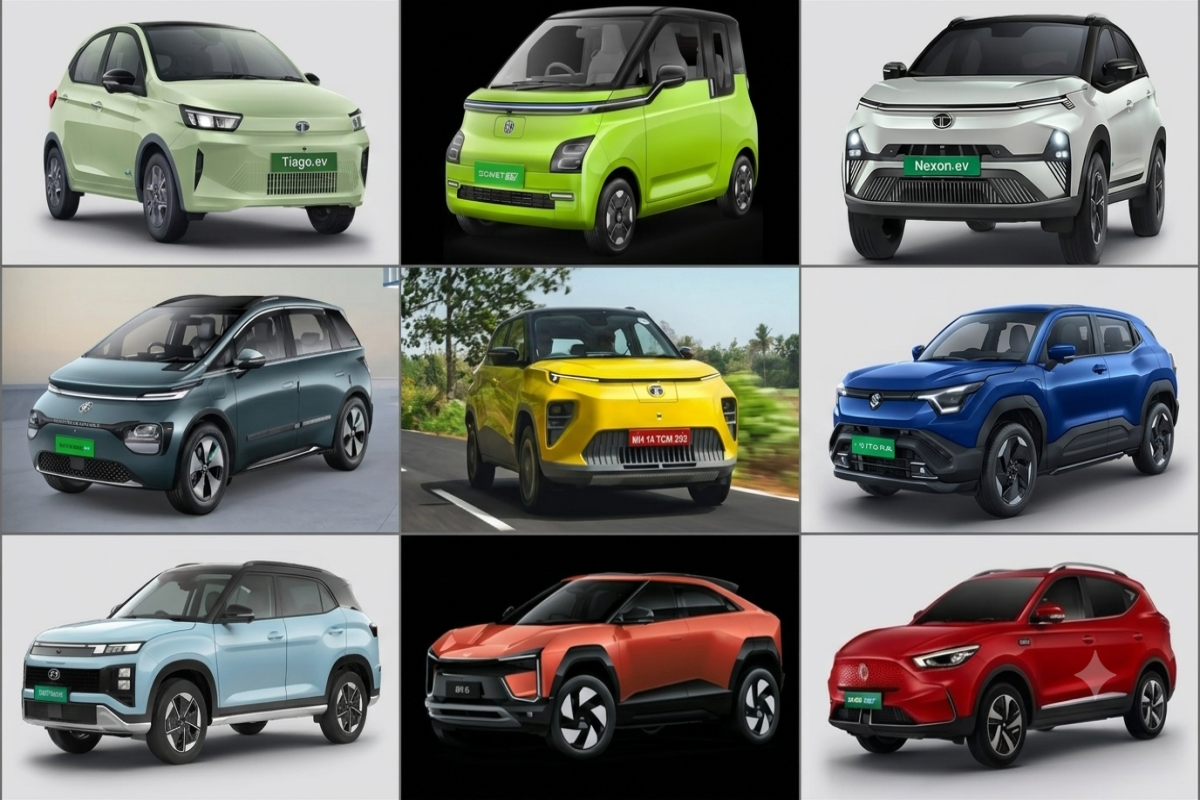
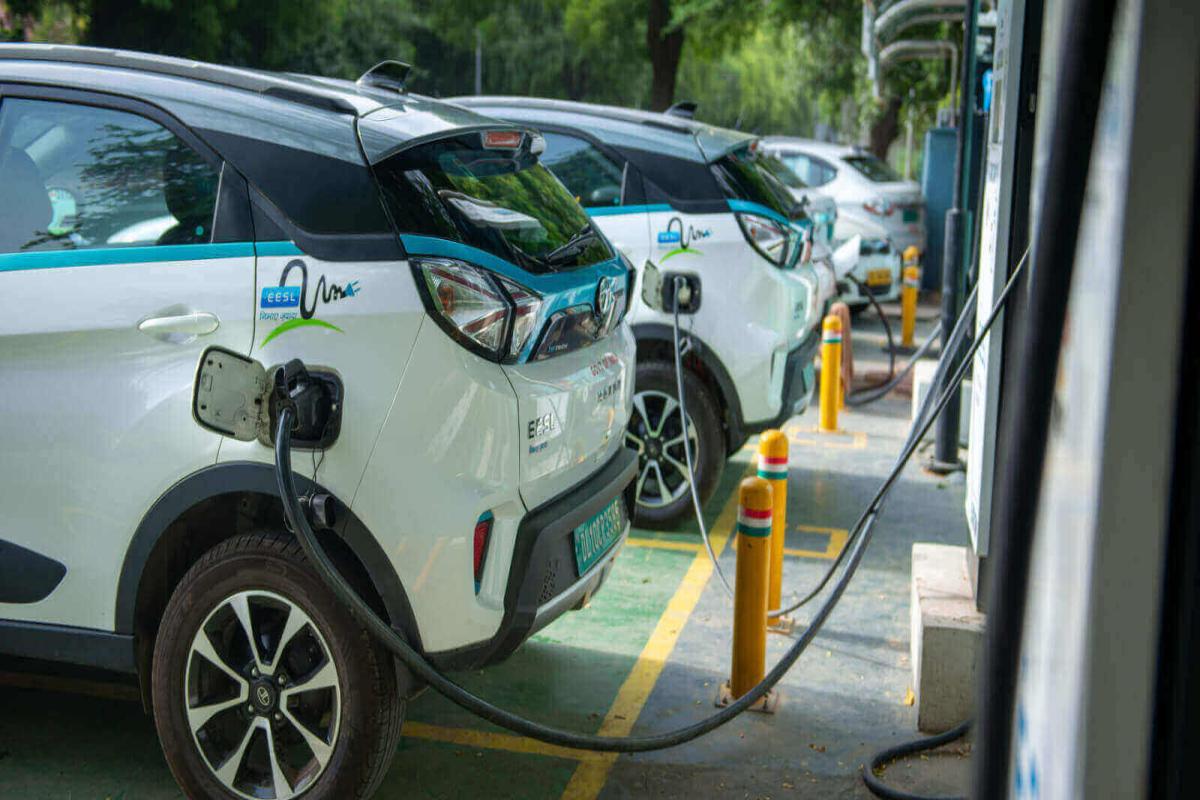
Although electric cars account for 6% of the total car market sales, people still do not have full confidence in them. While Chinese companies are ahead of any other country in the EV sector, strict regulations on Chinese firms in India have stunted the growth of companies like MG and BYD. This government policy has greatly benefited Tata and Mahindra. While Maruti and Hyundai are nominally present in the electric field, they remain far behind Tata and Mahindra.
Higher prices compared to petrol/diesel cars, "range anxiety," inadequate charging infrastructure, the time lost waiting for charging, and various technical glitches keep people away from electric cars.
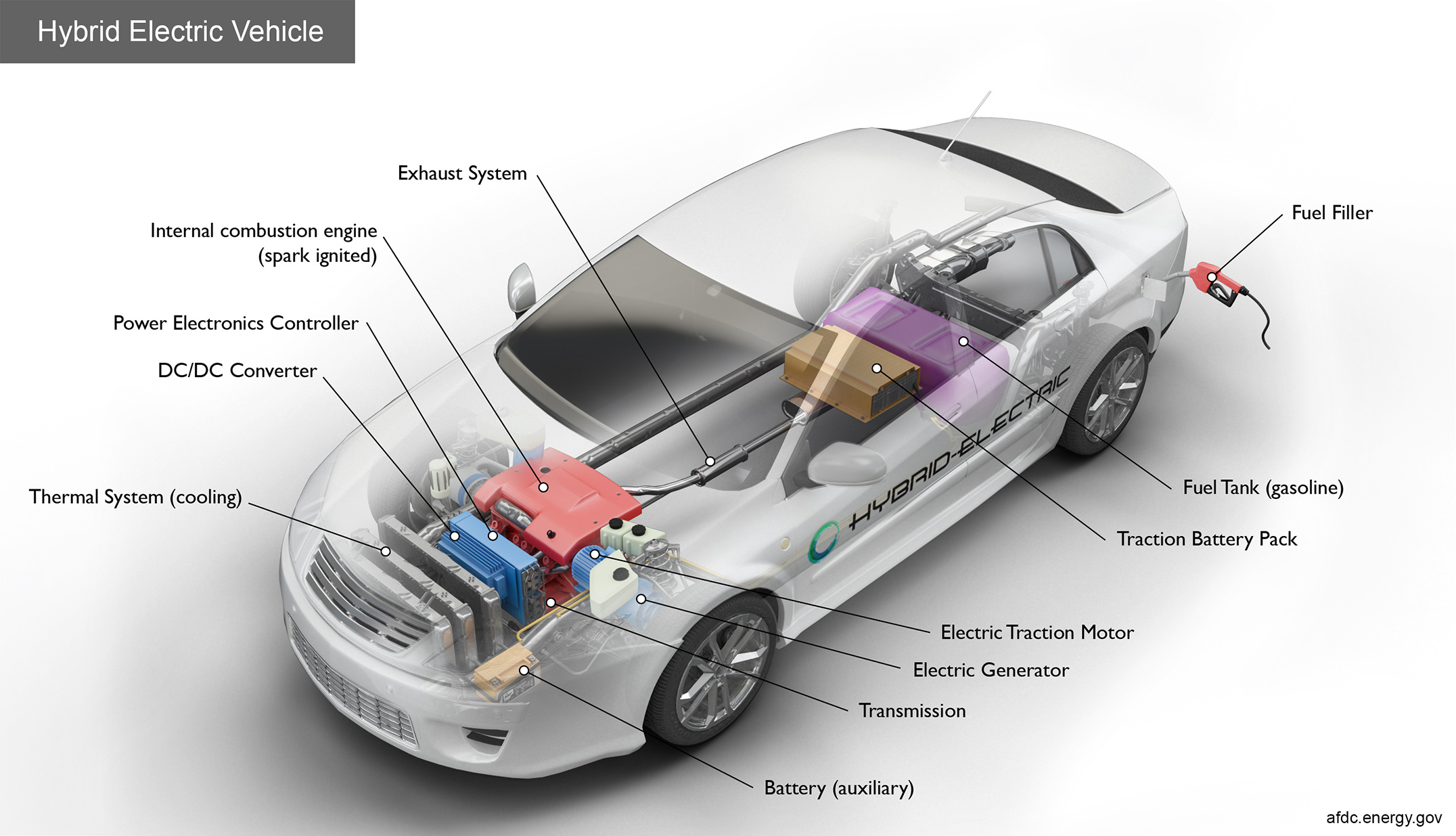
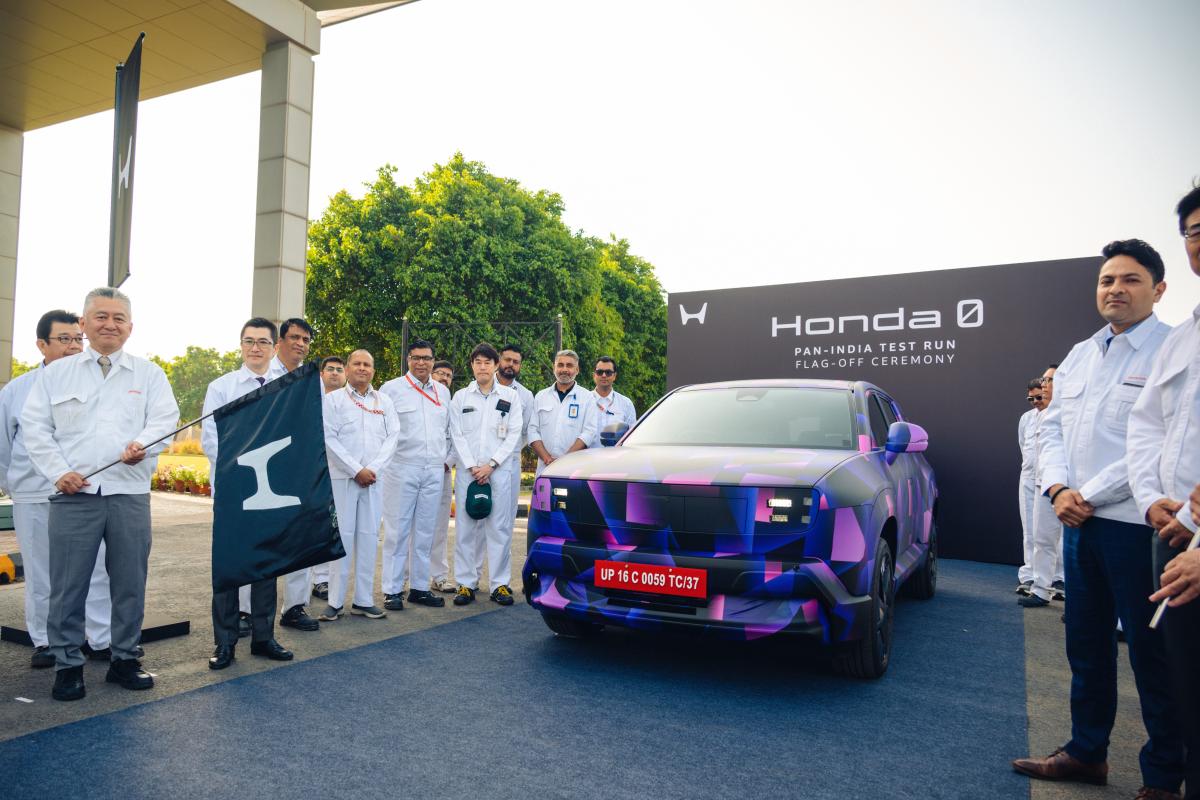
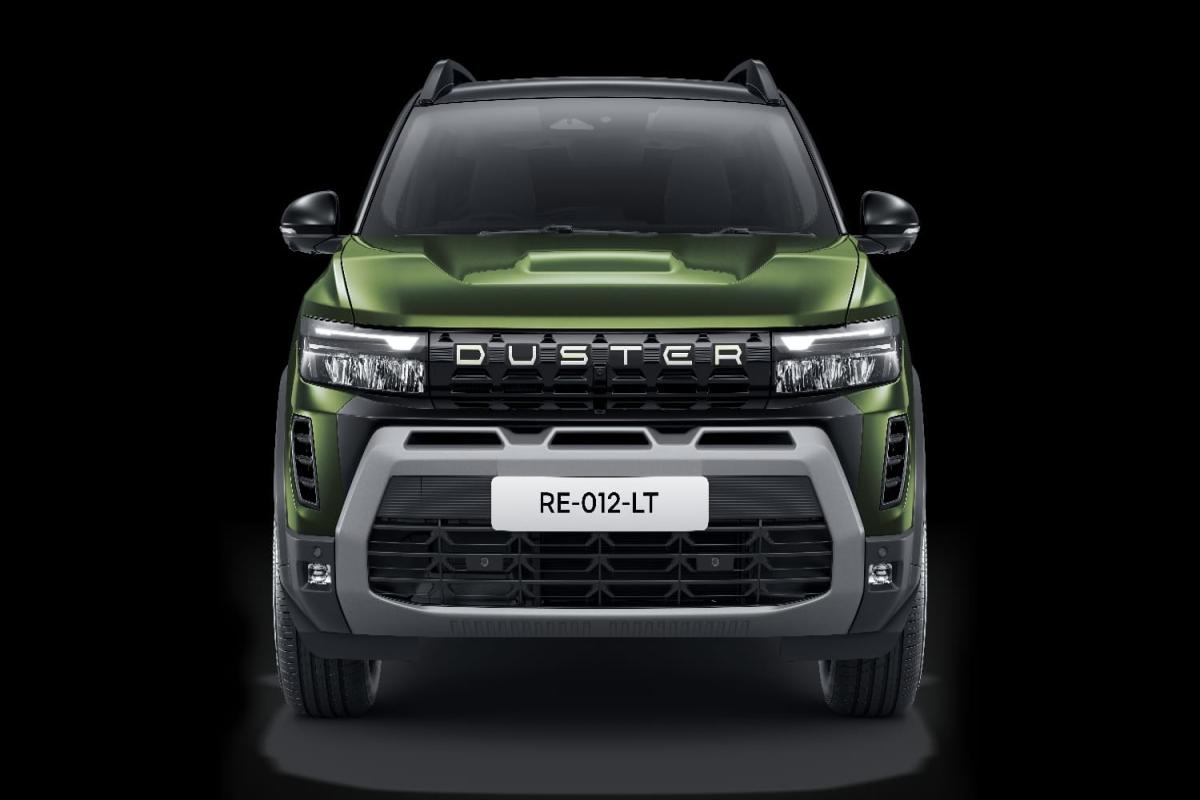
Amidst this confusion, hybrid cars have recently come into focus. These are cars equipped with a petrol engine and an electric (battery) motor. Currently, Toyota, Honda, and Maruti Suzuki offer hybrid (self-charging) models, and the Renault Duster Hybrid is expected later this year.
A hybrid typically costs about 25% more than a standard petrol car, but the mileage increases proportionately. Even in hybrids, the efficiency of petrol remains the primary consideration; the electric motor acts as a technology to boost mileage.
The situation may change with the arrival of "plug-in hybrid" models, which can be charged like electric cars. In these, the petrol engine will primarily act as a generator to charge the battery. However, if these models are imported, they will be very expensive. Furthermore, while Chinese companies possess this technology, they face restrictions on investment in India, a hurdle that companies like BYD and MG are currently struggling with.
RELATED STORIES
OPPO India Launches F35 Series, India’s Group Self...

Tata Motors launched Aeris compact Sedan
MG Hector Tomahawk EV and PHEV launched
Maruti Suzuki becomes the first passenger vehicle...
Honda launches Ethanol- friendly scooter ADV160 @...
When Maruti copied Hyundai N Line
Maruti Brezza turbo-petrol launched at Rs 7.40 lak...
One more electric car to the mass market; Kia Syro...
These Electric cars are now cheaper in Keralam
Indian-made Kia Sonet sold in Africa gets just one...
SUV with Panoramic Sunroof at a price below 10 lak...

Merc launches CLA BEV SEDAN at 55 lakhs
BAJAJ Pulsar 180 is Back!
BS-VII Emission Norms from 2027: Impact on CNG Veh...
Buying Electric Cars in Karnataka is No Longer Pro...
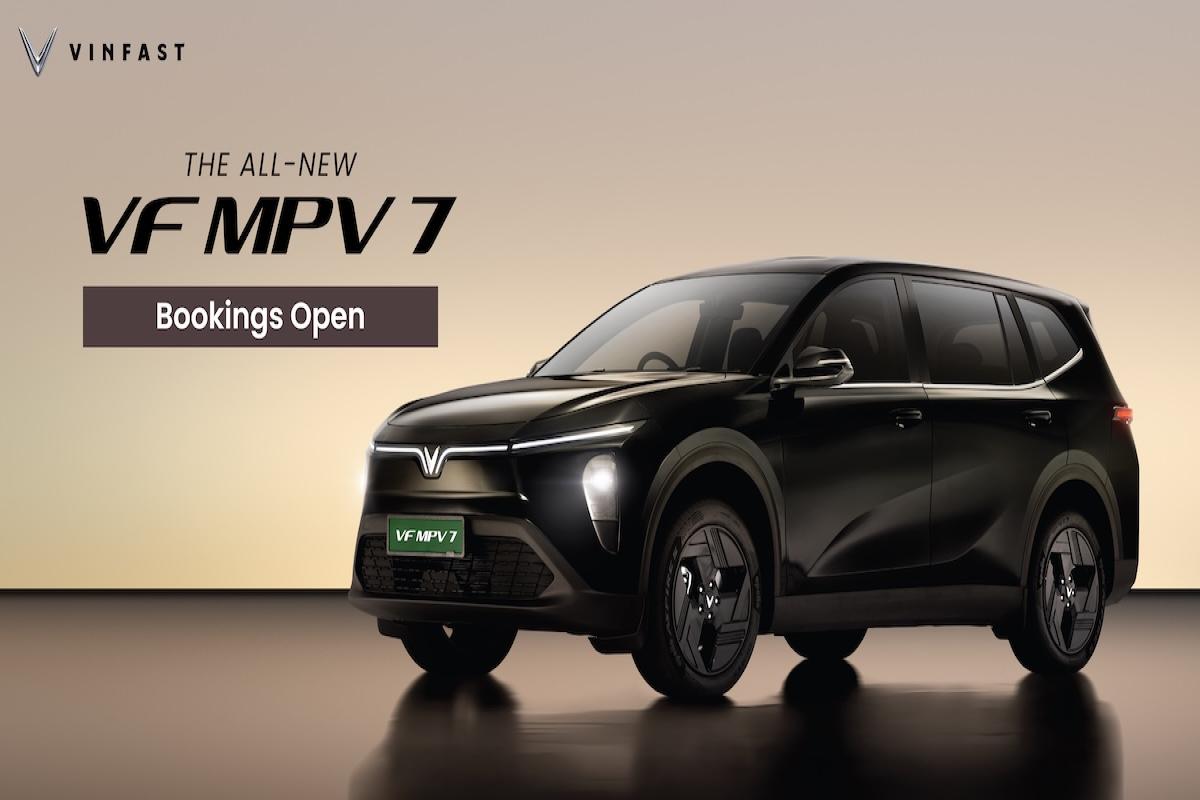
VINFAST OPENS BOOKING FOR VF MPV 7 IN INDIA
Indians are swapping epic annual trips for smart,...

Mumbai Air Travel at Lower Costs: The Benefits of...

Reporter TV in Legal Crisis

Honda's last chance in India
RENAULT DUSTER IS HERE, AGAIN
Red Signal to Maruti Suzuki Ignis? Production Stop...
TWINNING CARS: The Surge of Twins in the Car Marke...
Yamaha Introduces XSR155 in ‘Metallic Black’ shade
Google Pixel 10a: Premium AI in under-50k Smartph...

More PUNCH!
E-Vitara Pricing and Maruti’s Hide-and-Seek
Airplane-Rickshaw
Honda's New Dio and Shine
Mid-Size SUV Buying Guide: What You Need to Know
Renault DUSTER Comes Back
Skoda Kushaq gets facelift
Realme 16 Pro Series Debuts

Mahindra launches XUV 3XO ELECTRIC CAR
Mahindra launches XUV 7XO -the successor of XUV 7O...
Toyota to stop Innova Crysta Next Year
All-New Kia Seltos comes at 10.99 lakhs
Renault Kwid, Kiger, Triber to be costlier
NISSAN GRAVITE COMING SOON
Don't Buy Tata Sierra Without Reading This
Hyundai to launch NEW VENUE SUV on 4th November
Noise launches Master Buds Max with Sound by Bose

Mercedes-Benz launches G450d, the G-Class Diesel
New Mahindra Thar @ 9.99 lakhs
Citroen Aircross XSmart
New Mahindra Thar @ 9.99 lakhs
Kinetic Green Unveils E Luna Prime: Revolutionary...
Toyota Rumion gets 6 airbags as standard
Toyota's Ertiga gets 6 Airbags
Bentley, brought by Skoda
Skoda Auto Volkswagen India Private Limited (SAVWI...